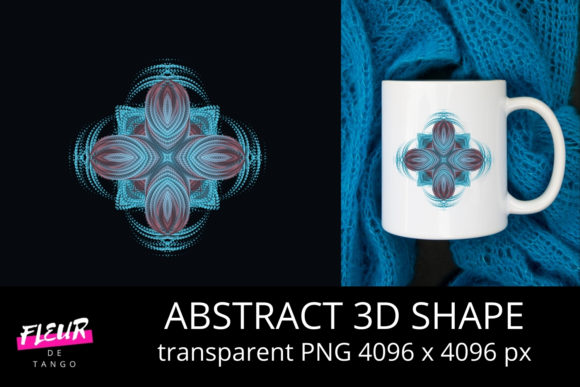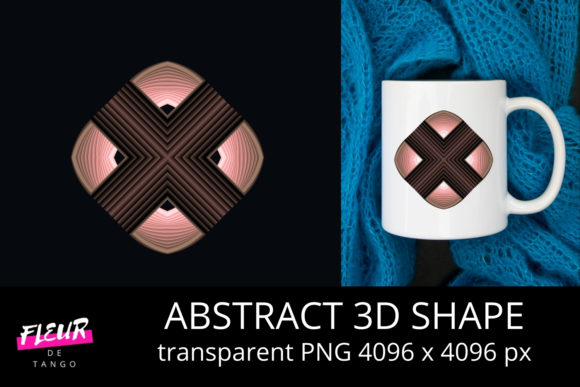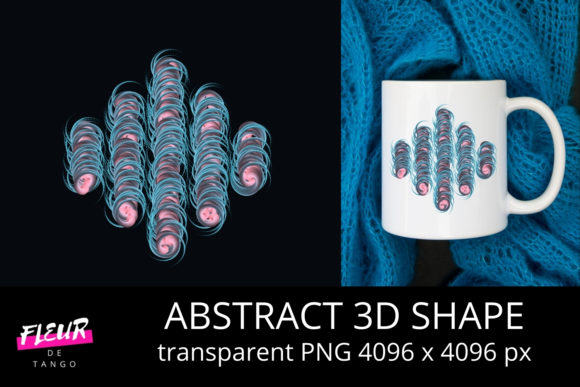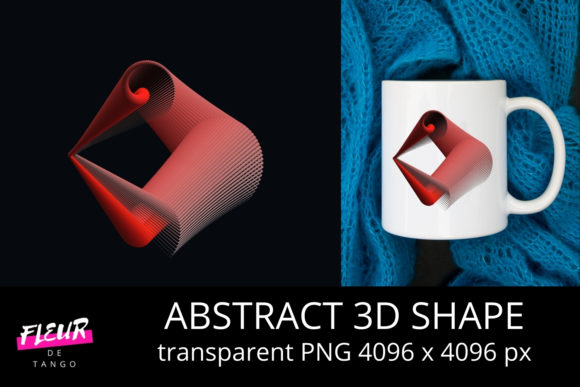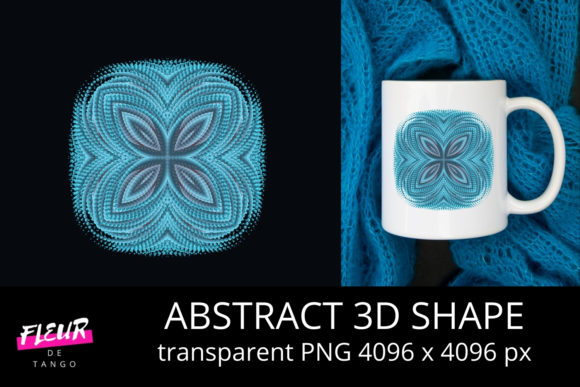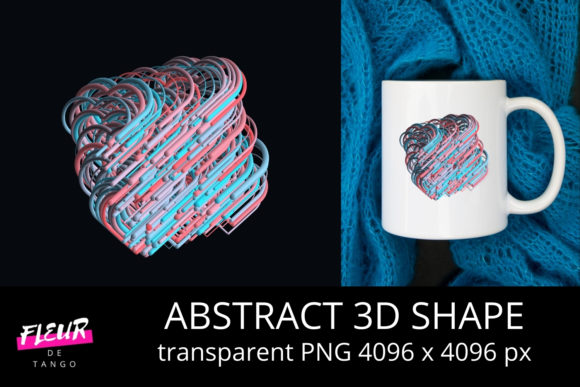
Abstract 3D Shape Clipart Vol. 54: A Practical Evaluation for Modern Design Workflows
In the current landscape of digital content creation, the demand for high-quality, versatile visual assets has never been higher. Professionals and hobbyists alike are constantly seeking resources that can elevate their projects without compromising on time or budget. Abstract 3D Shape Clipart Vol. 54 enters this space as a targeted collection designed to meet the needs of diverse creative industries. This review examines the utility, technical specifications, and practical application of this asset pack, focusing on how it fits into real-world workflows for marketers, educators, and small business owners.
Understanding the Core Offering
At its foundation, Abstract 3D Shape Clipart Vol. 54 is a curated set of graphical elements characterized by their three-dimensional appearance and abstract composition. Unlike flat vector illustrations or photorealistic renders, these shapes occupy a middle ground that offers depth and texture while maintaining a clean, modern aesthetic. The volume specifically delivers files in a transparent .PNG format, a standard that ensures seamless integration into various design software environments.
The primary value proposition lies in the delivery format. Each download provides a single transparent .PNG file per asset. Transparency is not merely a convenience; it is a functional necessity for designers who need to layer graphics over complex backgrounds, textured paper, or gradient fills without dealing with unsightly white boxes or jagged edges. By removing the background entirely, the user gains immediate flexibility to manipulate the shape's context within their specific project layout.
Technical Quality and Usability
When evaluating digital clipart, resolution and clarity are paramount. Files intended for print media, such as greeting cards or promotional merchandise, require significantly higher pixel density than those destined solely for web use. The absence of watermarks in Abstract 3D Shape Clipart Vol. 54 is a critical indicator of professional quality. Watermarks often degrade the perceived value of an asset and create friction during the final stages of production, forcing users to either pay extra or settle for compromised visuals.
The consistency across the volume is another area of strength. In many lower-tier collections, users encounter a mix of rendering styles, lighting conditions, and shadow depths that clash when placed together. This set appears to maintain a cohesive visual language, allowing multiple elements to be combined into a single composition without looking disjointed. For professionals managing brand guidelines, this consistency reduces the cognitive load required to assemble a polished final product.
- Transparency: Clean edges ensure no background interference.
- Format: Standard .PNG compatibility works across all major design platforms.
- Cleanliness: No watermarks allow for immediate commercial or personal use.
- Consistency: Unified style supports cohesive branding efforts.
Practical Applications Across Industries
The versatility of Abstract 3D Shape Clipart Vol. 54 makes it applicable to a wide array of scenarios. The description highlights specific use cases including cards, t-shirts, mugs, and general decorations, but the potential extends far beyond these examples. Below is an analysis of how different user groups might leverage these assets effectively.
Merchandise and Product Branding
For entrepreneurs and small business owners involved in print-on-demand services, the ability to place 3D shapes on physical products is essential. When designing t-shirts or mugs, the goal is often to create a focal point that catches the eye. Abstract shapes provide a contemporary look that appeals to modern aesthetics without being tied to a specific trend that might date quickly. The transparency allows the designer to adjust the color of the shape or overlay it with patterns, creating unique variations for each product line.
Marketing Materials and Social Media
Marketers and social media managers frequently struggle with creating engaging visual content that stands out in crowded feeds. Static images are common, but adding a touch of dimensionality can increase engagement rates. Using Abstract 3D Shape Clipart Vol. 54 as a background element or a decorative accent in flyers, brochures, or Instagram posts can add a layer of sophistication. The shapes can serve as dividers between text blocks, highlight key statistics, or frame promotional offers, guiding the viewer's eye through the content logically.
Educational and Presentation Content
Educators and corporate trainers often need to break up dense text in presentations or worksheets. Generic clipart can sometimes appear childish or unprofessional. These abstract forms offer a neutral yet dynamic alternative. They can represent concepts like innovation, complexity, or connection without relying on literal imagery. When used in slide decks or printed handouts, they help maintain a professional tone while keeping the audience visually engaged.
Strategic Considerations for Creators
While the asset pack offers significant benefits, it is important to approach its usage with a clear understanding of its limitations and best practices. The .PNG format is raster-based, meaning it does not scale infinitely like SVG or AI vectors. If a designer intends to enlarge a shape from a thumbnail size to a billboard display, pixelation may occur. Therefore, the ideal workflow involves downloading the highest available resolution and using the assets at or near their native size.
Furthermore, the abstract nature of the shapes requires a thoughtful approach to composition. Because these elements do not depict concrete objects, they rely heavily on color theory and spatial arrangement to convey meaning. A haphazard placement of several 3D shapes can result in visual clutter rather than enhancement. Successful implementation requires a deliberate design strategy where each element serves a specific purpose within the overall hierarchy of the layout.
- Assess Resolution Needs: Ensure the downloaded file meets the DPI requirements for your intended output (e.g., 300 DPI for print).
- Plan Composition: Sketch out the layout before placing the shapes to ensure balance and readability.
- Color Matching: Use the transparency feature to test how the shapes interact with your brand colors before finalizing the design.
- File Management: Organize the downloaded assets immediately to streamline future projects.
Long-Term Value and Reliability
In the fast-paced world of digital design, reliability is a currency. Users need to know that the tools and assets they invest in will perform consistently over time. Abstract 3D Shape Clipart Vol. 54 positions itself as a reliable resource by adhering to industry standards for file formats and quality. The lack of watermarks suggests a commitment to delivering a finished product ready for deployment, saving valuable hours that would otherwise be spent on cleanup or editing.
For freelancers and agencies working under tight deadlines, the efficiency gained from having a pre-made, high-quality library cannot be overstated. Instead of spending days modeling 3D primitives or searching for compatible stock images, a designer can integrate these shapes immediately. This speed allows for more iterations and better refinement of the final concept, ultimately leading to higher client satisfaction.
Final Verdict on Utility
Abstract 3D Shape Clipart Vol. 54 represents a solid addition to any creative toolkit, particularly for those who value clean, modern aesthetics and technical reliability. Its strengths lie in the transparency of the PNG files, the absence of distracting watermarks, and the broad applicability of the designs across various mediums. While it requires a basic understanding of design principles to maximize its potential, the asset pack pays dividends in terms of workflow efficiency and visual polish.
Whether you are a professional marketer crafting a campaign, a small business owner launching a new product line, or an educator preparing engaging materials, this collection offers the building blocks necessary to construct compelling visual narratives. It is not a one-size-fits-all solution, but for anyone seeking to add depth and dimension to their work without the overhead of custom 3D modeling, it stands as a highly effective and practical choice.